
Spring and summer are wonderful times to explore the natural beauty around Michigan, but they also mean one important thing: it’s tick season. As temperatures rise, ticks become active and are often found in wooded areas, tall grasses, and even your own backyard. These tiny arachnids are more than just a nuisance; they can transmit diseases like Lyme disease and Rocky Mountain Spotted Fever. This guide will help you understand what to look for, how to protect yourself, and when to seek care.
Knowing the Ticks
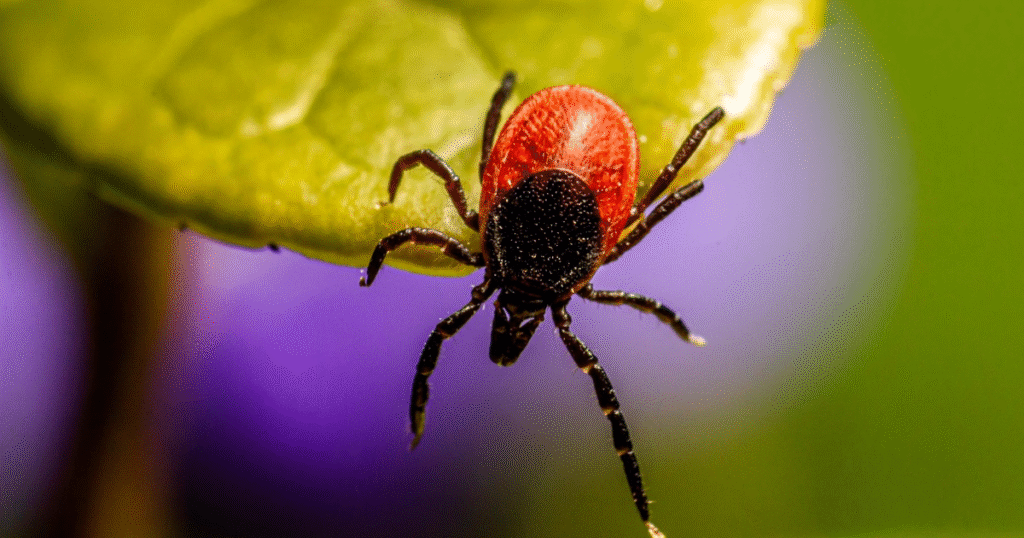
The most common tick of concern in Michigan is the Blacklegged Tick, also commonly known as the Deer Tick. These are very small, sometimes no larger than a poppy seed in their larval or nymph stages. They are typically reddish-brown with a darker scutum (the plate behind their head).
Where to Look
Ticks love warm, moist areas. When checking yourself or loved ones, pay extra attention to:
- The Scalp and Hairline
- In and Around the Ears
- Under the Arms
- Inside the Belly Button
- Around the Waist
- The Groin Area
- Behind the Knees
What to Watch Out For
Understanding the warning signs of a tick-borne illness is crucial. While not every tick bite results in infection, being aware of the symptoms can lead to timely diagnosis and treatment.
- The “Bull’s-eye” Rash (Erythema Migrans)
The most well-known symptom of Lyme disease is a specific rash called Erythema Migrans. This rash typically appears 3 to 30 days after a bite. It often starts as a small red spot and expands outwards. While it frequently takes on a “bull’s-eye” appearance with a darker center and an outer ring, it can also look like a solid red, expanding circle.
We have included a clear visual of this classic sign for you to reference. If you see this pattern on your skin, it is a definitive reason to seek medical evaluation.
- Flu-like Symptoms
Not everyone develops the characteristic rash. Often, early symptoms are non-specific and easily confused with the flu. Be on the lookout for:
- Fever and Chills: Sudden or persistent low-grade fever.
- Severe Headache: Headaches that are unusual or intense.
- Extreme Fatigue: Feeling overwhelmingly tired, even without exertion.
- Muscle and Joint Aches: Generalized body aches or stiffness.
- Swollen Lymph Nodes: Particularly near the site of the bite or generalized swelling.
When to Seek Care Immediately
If you experience any concerning symptoms after spending time outdoors, especially if you know or suspect you were bitten by a tick, you should consult a healthcare provider promptly. Delaying treatment can increase the risk of more severe, long-term complications.
You should seek medical attention if:
- You develop an expanding rash, especially a “bull’s-eye” rash.
- You experience fever, headache, or extreme fatigue within a few weeks of being in tick-prone areas, even without a rash.
- You cannot fully remove the tick, and its head remains embedded in your skin.
- The tick was attached for an extended period (usually more than 24-36 hours for a high risk of Lyme transmission).
- The site of the bite shows signs of infection: increasing redness, warmth, swelling, pain, or pus.
- You develop later symptoms such as severe joint pain, heart palpitations, or facial paralysis (Bell’s palsy).
Need Help or Have Concerns? Visit Lawrence Community Care
Protecting your health during tick season is our priority. If you have been bitten, found an attached tick, or are experiencing any symptoms you are worried about, Lawrence Community Care is here to help.
We provide both Direct Primary Care and Urgent Care services and can assist with:
- Professional Tick Removal: Ensuring the tick is removed safely and entirely.
- Symptom Evaluation and Diagnosis: Assessing your symptoms and determining if testing or treatment is necessary.
- Expert Medical Advice: Answering your questions and providing peace of mind.
Don’t wait if you suspect a tick-borne illness. Early detection and treatment make a significant difference.
Visit Us:
Lawrence Community Care
119 N Paw Paw St
Lawrence, MI 49064
Contact Us:
(269) 241-2220
Enjoy the beautiful Michigan outdoors, but stay vigilant and stay safe!